Beyond the Headlines: A Black American Entrepreneur’s Unfiltered View of Life, Lockdown, and Business in China
By William D. Frazier
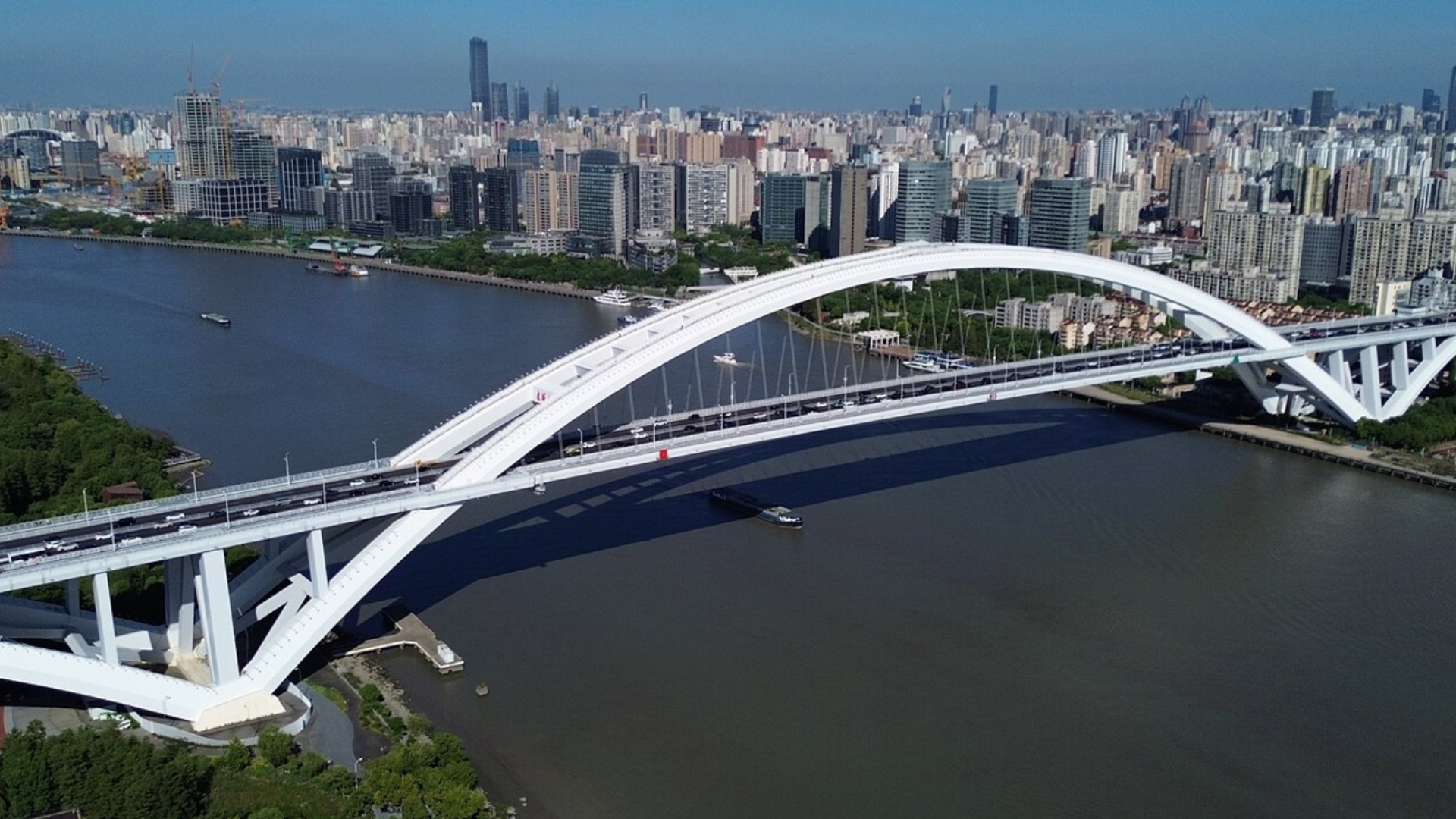
How Community Coordination, Urban Planning, and Cross-Cultural Bridges Are Redefining the Expat Experience in Shanghai
When Western media paints a picture of China, it often focuses on broad strokes—lockdowns, tech crackdowns, and economic tensions. But what does daily life look like on the ground for a foreign entrepreneur who has called Shanghai home for nearly two decades? In an exclusive and candid interview, William D. Frazier, a Black American entrepreneur and the founder of Shanghai-America Direct Import and Export Company, offers a nuanced perspective that cuts through the noise. He shares his journey from a study-abroad student to a Ph.D. candidate and ultimately to a successful international trade advisor, revealing a side of China that rarely makes the front pages.
Frazier’s story is not just about business; it is a masterclass in cultural bridge building and cultural diplomacy. As a cross-cultural connector, he explains that his mission goes beyond profit. “I wrote a book about my experience here,” he notes, detailing his travels across the country and the lack of exposure Black Americans have to economic opportunities in Asia. He advocates a shift in mindset, emphasizing the need for trade offices and improved economic organization to better support minority interests abroad. For Frazier, business development in China is intrinsically linked to empowering small and medium-sized enterprises (SMEs), which he describes as the “driving forces” of most economies. His consulting work focuses on educational empowerment—teaching clients how to navigate the complexities of importing without even setting foot in China.
Perhaps the most compelling part of the conversation revolves around the COVID-19 lockdowns. While international headlines focused on restrictions, Frazier highlights the hyper-local coordination that kept his community thriving. He describes a seamless partnership between property management teams and neighborhood coordinators in his high-quality Shanghai complex. As a volunteer, he would pick up food for his building, ensuring minimal contact to prevent the spread of illness. This system, he argues, showcases the effectiveness of community support during crises—a testament to expat life in Shanghai that is often overlooked. “The coordination helped alleviate people’s need for food,” he explains, emphasizing that the reality on the ground was one of mutual aid rather than chaos.
His living environment further challenges stereotypes. Frazier resides in a holistic residential complex featuring an artificial lake, running tracks, lush greenery, shops, and educational centers. For him, this isn’t just luxury; it is the result of intentional urban planning that fosters a high quality of life. This blend of convenience and nature provides a backdrop for his work as an American business consultant, where he offers strategic advice to those seeking to understand Shanghai’s business culture. He positions himself as a cross-cultural business strategy expert on China, helping clients navigate the subtle nuances of doing business in the East.
Ultimately, Frazier’s insights serve as a powerful antidote to simplistic narratives. He calls for sustainable trade agreements and partnerships between China and the US that benefit a broader cross-section of society. By sharing his experiences—from academic pursuits to entrepreneurial endeavors—he provides a roadmap for those seeking to engage more deeply with China. His perspective is a reminder that true international business development requires empathy, local knowledge, and a willingness to be a bridge between two worlds.
This interview is a must-listen for anyone interested in insights into Chinese business, the future of US-China relations, and the untold stories of Black entrepreneurs abroad. To learn more about William D. Frazier’s journey and his work, click through to read the full article.