The Most Powerful Transformation Isn’t Geographical—It’s Mental
By William D. Frazier
The Mental Migration: How Two Decades in China Reshaped My Black American Mindset
After two decades in China, I’ve learned that the most powerful transformation isn’t geographical. It’s mental.
When I stepped off the plane in the early 2000s, I had no idea I was embarking on a journey that would fundamentally reshape not just my address but my entire worldview. Back then, the community of Black Americans here was intimate enough that familiar faces stood out in crowds, and hearing an American accent in unexpected places felt like finding family in a foreign land.
Fast forward to today, and the landscape has shifted dramatically. Fewer Black Americans are arriving, driven by a complex mix of ambition, curiosity, and a desire for respite from the relentless pressures of American society. They come seeking economic opportunities, yes, but also something less tangible yet equally vital: a chance to breathe, to grow, to reimagine what’s possible when you step outside the confines of a system that wasn’t built with your flourishing in mind.
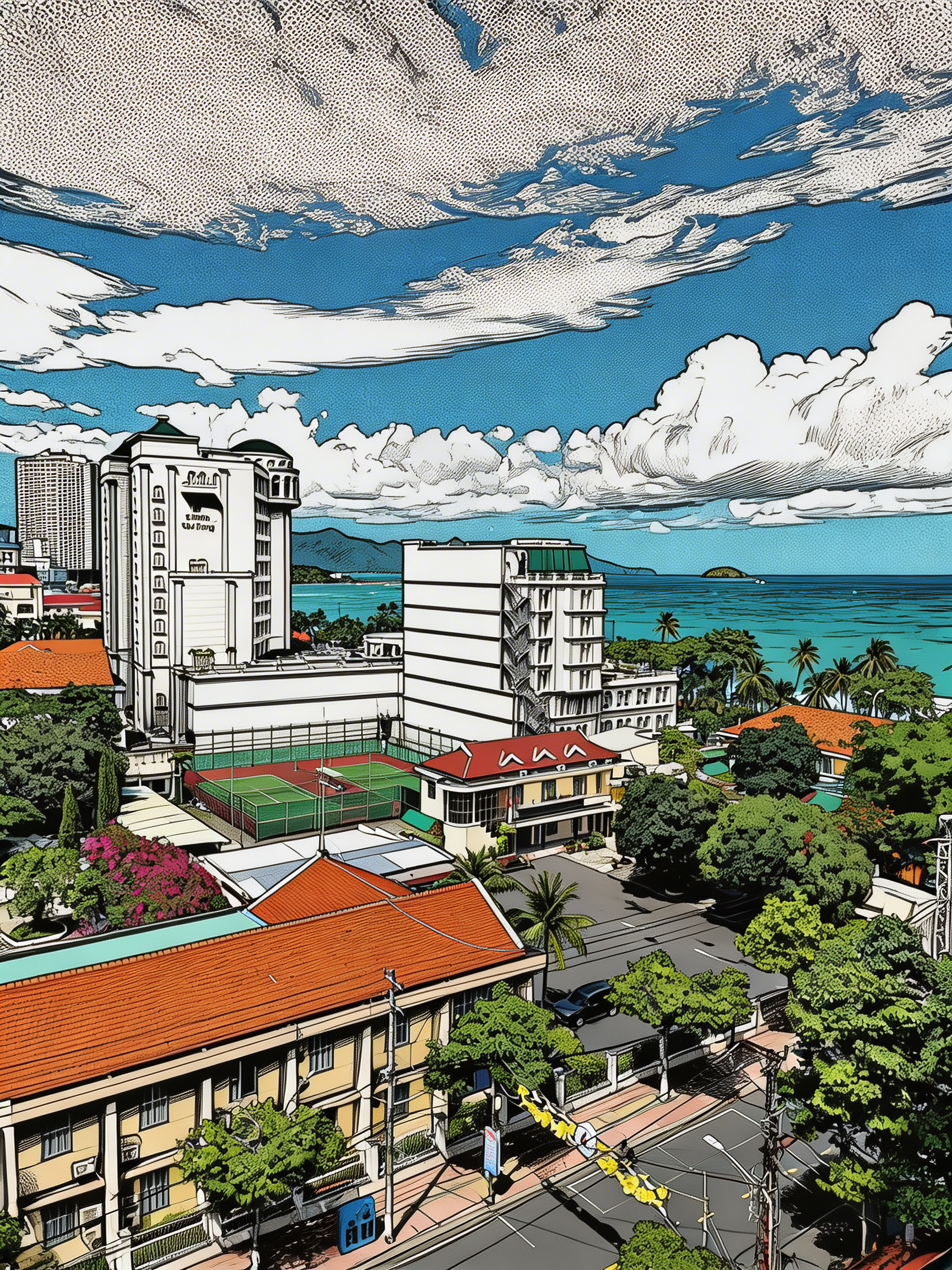
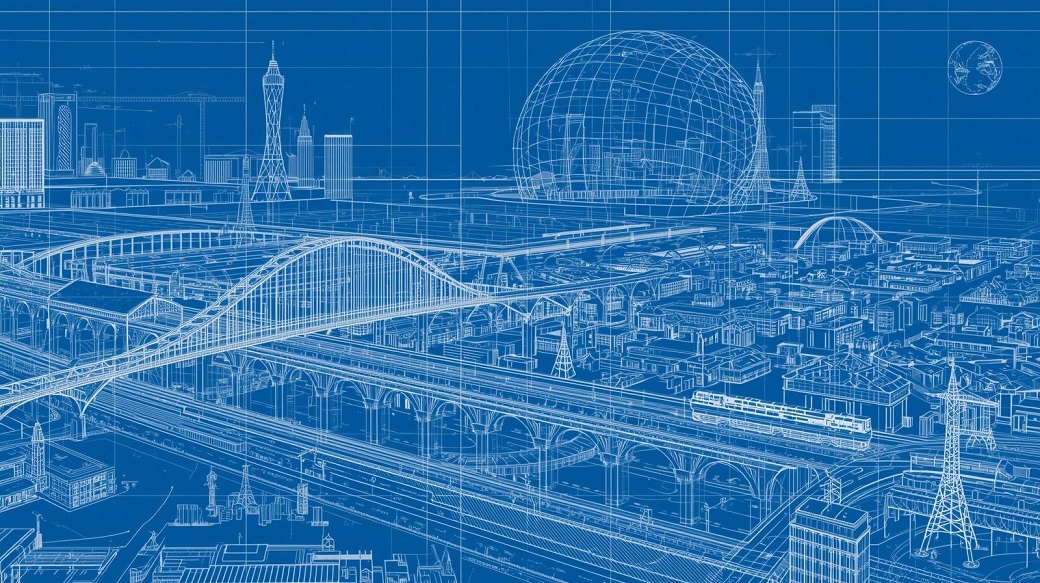
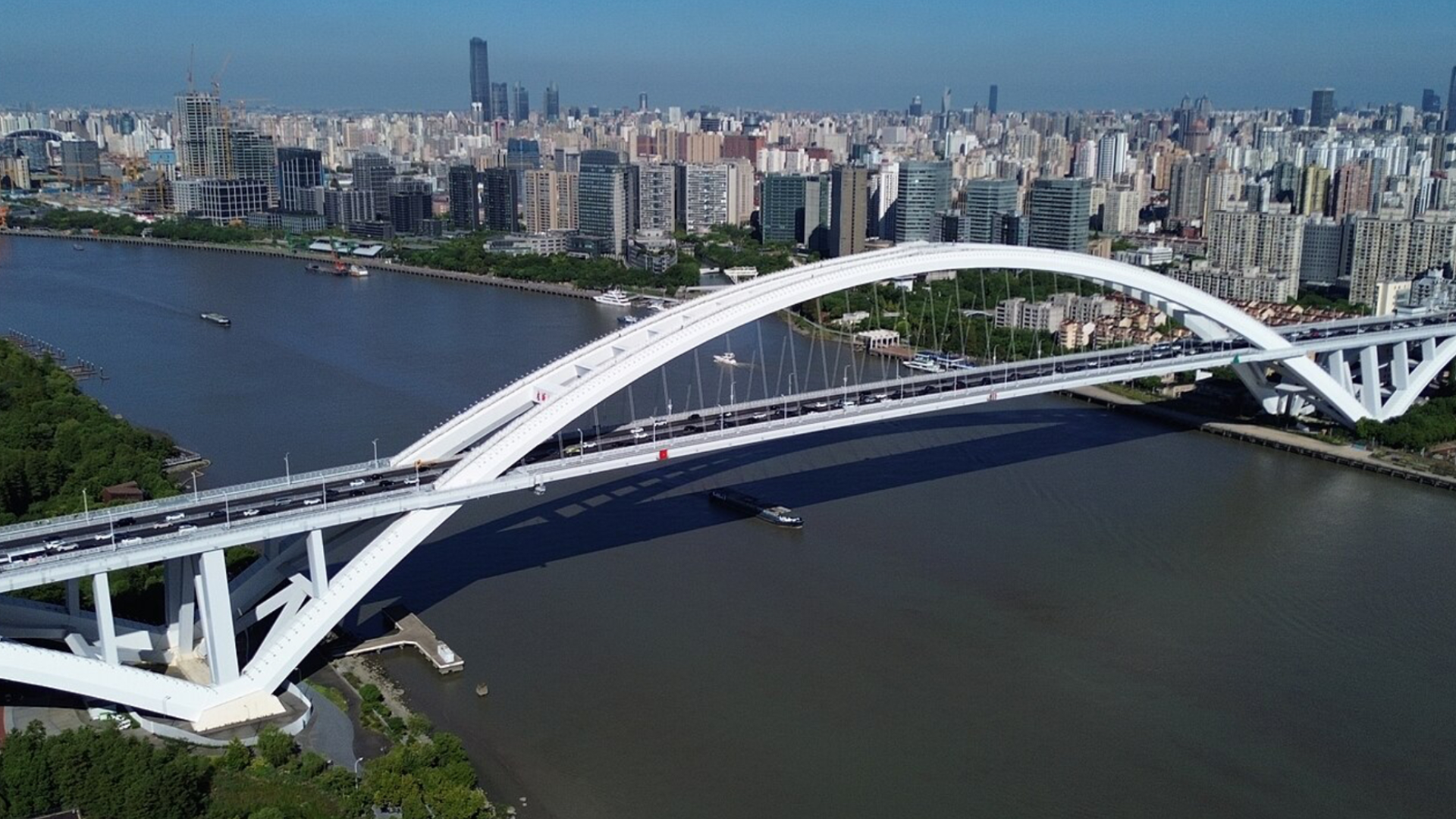
For over twenty years, I’ve watched China transform at a pace that defies imagination. Skyscrapers sprout where rice paddies once stood. High-speed rails connect cities I once traveled between by slow train. Innovation isn’t just happening here—it’s the engine that drives daily life. But here’s what I’ve come to believe: China’s transformation mirrors one that needs to happen within Black American consciousness. Too many of us remain trapped in a domestic mindset, viewing our struggles solely through the lens of American limitations.
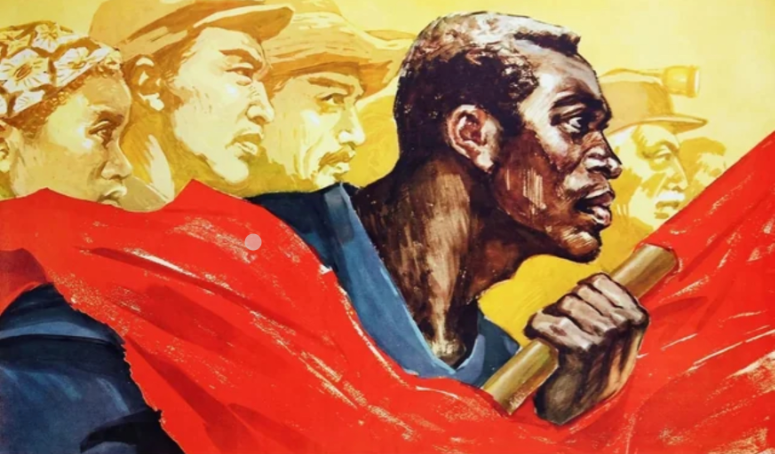
This “mindset regurgitation”—the unconscious repetition of limiting beliefs about our potential—is perhaps the most insidious legacy of systemic racism. It convinces us that our horizons must remain fixed, that the boundaries drawn around us in America are the only boundaries that exist. I reject that premise entirely.
As an international trade advisor and cross-cultural connector, I advise people considering a move to China to leave their preconceived notions about Western cultural superiority at the border. This isn’t just about relocating; it’s about undergoing a profound mindset transformation that can alter the trajectory of your life. The question isn’t “Can I survive in China?” but rather “What version of myself might emerge if I allow this place to change me?”
Arriving in 2002 meant letting go of nearly everything I thought I knew. Walking through bustling night markets, the air thick with aromas I couldn’t name and languages I was struggling to master, I felt disoriented and alive. Exploring tranquil temples where centuries of history whispered from weathered stone, I understood I was participating in something larger than my individual experience. China wasn’t just a backdrop for my personal adventure—it was a teacher demanding that I expand my understanding of what’s possible when a society collectively commits to transformation.
The challenges were real. Language barriers turned simple errands into day-long odysseys. Cultural misunderstandings left me feeling isolated despite being surrounded by millions. But those challenges were invitations to grow. Each obstacle was an opportunity for self-discovery, each confusion a chance to build new neural pathways. Expat life in Shanghai and beyond taught me that comfort zones are where dreams go to die.
Perhaps the most painful realization has been watching some members of my own community cling to mindsets confined by systemic racism. The automatic dismissal of China’s achievements, the attribution of their success solely to unfair practices, and the inability to acknowledge genuine innovation when it comes from a place we’ve been conditioned to view as “other.” This isn’t just intellectually dishonest; it’s self-sabotaging.
Through my work in strategic consulting and cultural diplomacy, I’ve seen how cultural bridge building creates pathways to genuine understanding. Healthy competition propels global progress, and recognizing that innovation can emerge from anywhere—including historically marginalized places—is essential for our own liberation.
Today, despite pandemic setbacks, we’re not starting from scratch. Digital platforms amplify our voices and allow us to connect in unprecedented ways. We can be cultural ambassadors in both directions, translating experiences, challenging misconceptions, and building the kind of cross-cultural business understanding that creates real economic and social opportunity.
Looking ahead, I’m optimistic about economic improvement in Black America—but only if we’re willing to shift toward a more global mindset. By leveraging resources and opportunities within China, we can tap into the global market, not just in China itself but through it, reaching other economies across Asia and beyond. My experience in business development in China and urban planning—gained over two decades observing how China built its economic miracle from the ground up—offers lessons that can help foster Black-owned businesses and create sustainable ecosystems.
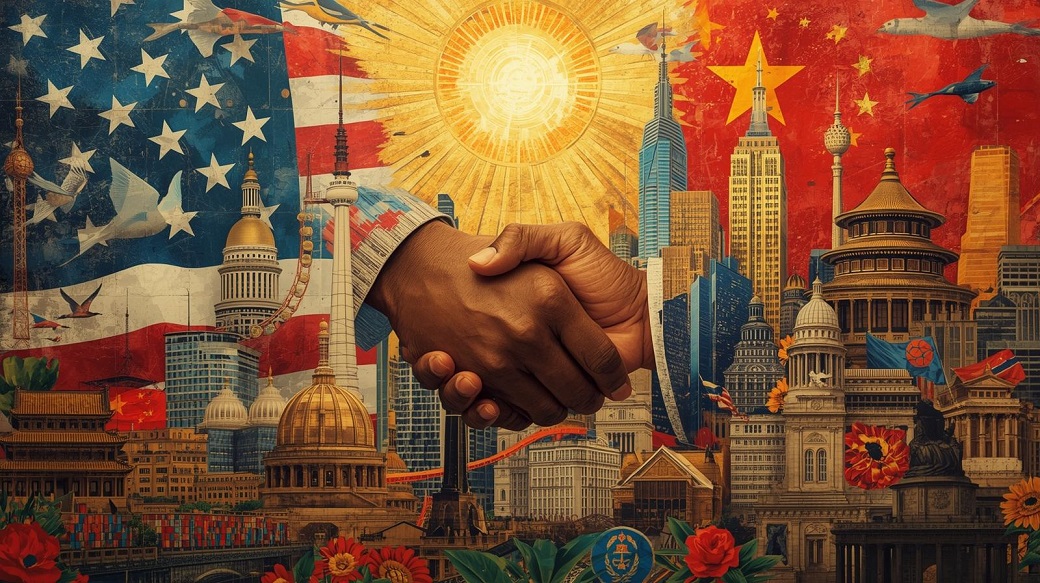
China-US trade consulting isn’t just about transactions; it’s about transformation. The path forward requires alliances based on mutual benefit and genuine understanding, not exploitation. Together, we can create equitable resources and opportunities that drive real change.
China taught me that the most powerful thing we can do is refuse to accept the limitations others place on us. Not through denial, but through the daily work of building something different.
For Black Americans considering this leap, my message is simple: come with an open mind. Be ready to be uncomfortable. Be ready to unlearn. The mindset shift isn’t just about China. It’s about reclaiming your right to imagine and build a future without borders.