Building Our Bridge to China: A New Economic Vision for Black America
By William D. Frazier
I’ve been staring at the maps of global trade for years, watching the lines of capital and
commerce crisscross the world, and I keep coming back to the same, unsettling question:
Where are we?
Not as passive consumers, mind you—we’ve always been central to that story. But as architects, as owners, as decisive players in the international business arena. The undeniable truth is that while the global economy has been accelerating, a truly strategic,
entrepreneurial presence from the Black American community has remained, for the most part, on the sidelines. This isn’t a lament; it’s a diagnosis. And I believe the most critical, overlooked prescription is a deliberate and bold one: we must become the chief engineers
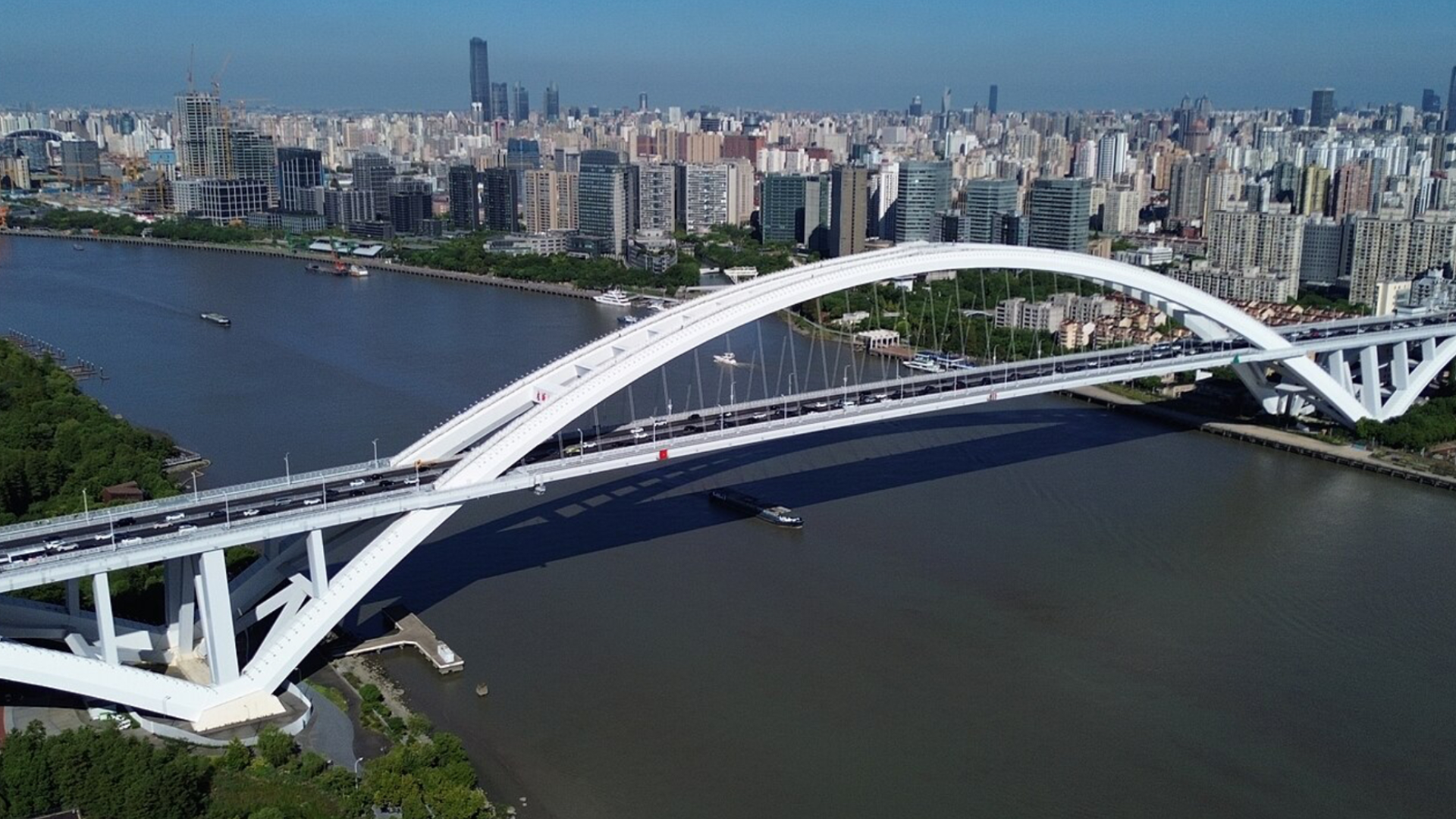
of our own economic bridge to China.
The Urgent Case for Strategic Independence
We can no longer afford to watch the political theater from the bleachers, wincing as each new administration rewrites the rules of engagement with the world’s second-largest economy. Our strategy cannot be hostage to an election cycle. The imperative to carve out
our own stake, to build our own table rather than waiting for an invitation to someone else’s, is not just timely—it’s urgent.
天时地利人和: Seizing the Right Moment with the Right People
There’s a Chinese proverb that has always resonated with me: 天时地利人和 (Tiānshí Dìlì Rénhé). It translates to the right time, the right place, and the right people. For too long, we’ve focused on the first two elements, watching the “right time” for global trade come
and go. The real key—the element we control—is the last one: the right people. And from my countless conversations with entrepreneurs and analysts, a clear and compelling fact emerges: Chinese business leaders are actively seeking the right people and eager to form
joint ventures with us. They see a value proposition we often underestimate: the cultural influence, market knowledge, and resilient entrepreneurial spirit of the Black American community.
From Consumers to Creators: The Necessary Pivot
But to meet this moment, we must be willing to shed old skins. It is not enough to be the world’s most charismatic consumers; we must now step into our power as creators, innovators, and owners. We need to shift our gaze from the product on the shelf to the supply chain that created it, from the service we use to the company that provides it. This Building Our Bridge to China: A New Economic Vision for Black America is about building capacity in the product and service industries—not just to serve our own communities, but also to compete on the global stage.
More Than Profit: The Engines of Liberation
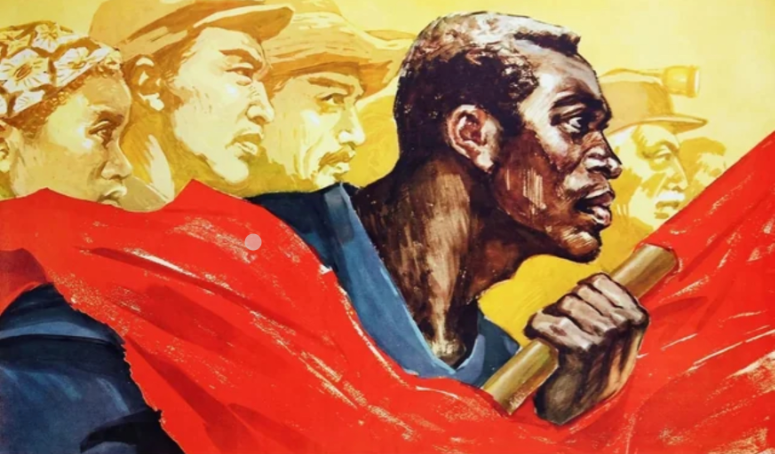
Let’s be clear, this is about more than profit margins and balance sheets. This is about the fundamental project of liberation. If we are truly committed to lifting our communities out of the systemic poverty that has plagued us for generations, it will be through the twin
engines of education and economic empowerment. They are not separate paths; they are intertwined. Imagine harnessing our existing infrastructure—the vibrant Black Chambers of Commerce in hubs like Los Angeles, Houston, Chicago, and Atlanta—and pivoting
them with purpose. These organizations are not just networking groups; they are potential command centers for a coordinated, sustained outreach to Chinese industrial and technological hubs. We have the network. Now, we need the strategy and the will.
The “How”: Building with Understanding, Not Just Transactions
This brings me to the most delicate and most crucial part of this entire endeavor. The question isn’t simply *why* we should connect, but *how* we build these ties with a foundation of genuine understanding, rather than just transactional interest. The uncomfortable truth is that we have largely operated in separate silos of experience. We are each expert in our own struggles and triumphs, yet woefully uninformed about the other’s historical context and daily realities. This ignorance isn’t benign; it’s a friction that has sparked destructive conflicts in the past and threatens to undermine collaborative futures.
Demystifying the “Great Wall”: Our Work on the Ground
Bridging this divide demands intentional, uncomfortable work on both sides. For us, it means demystifying the “Great Wall” of doing business with China. We need to create accessible pathways—guides, trade delegations, cultural translators—that make these opportunities feel less like an insurmountable challenge and more like an achievable venture. We must equip our entrepreneurs with the knowledge to navigate *guanxi* (relationship-building) and the regulatory landscape without feeling like they must reinvent the wheel alone.
Confronting the Hard Truths Together
Simultaneously, and just as critically, our Chinese counterparts must undertake their own internal work. They must confront and actively dismantle the deeply ingrained colorism and prejudice that, fueled by a global anti-Blackness, equates dark skin with poverty, laziness, and untrustworthiness. This is a painful but non-negotiable conversation. A successful partnership cannot be built on a foundation of subliminal disrespect. It requires a conscious effort to unlearn the toxic narratives that have been exported worldwide. Building Our Bridge to China: A New Economic Vision for Black America
The Architecture of Division: Seeing the Whole Board
We must be crystal clear about the origin of these divisions. The media’s intense, often sensational, focus on Black-Asian conflict has always felt like a strategic trap. It is a classic tactic of division, pitting victim against victim while the underlying architecture of white supremacy remains not only unscathed but strengthened. The painful reality is that the intertwined systems of race, racism, and global capitalism have actively conspired to produce and manipulate the Black world’s understanding of Asia, and the Asian world’s understanding of the Black “West.” We are viewing each other through a distorted lens crafted by a third party.
As scholar Nitasha Tamar Sharma powerfully articulates, the belief that darker skin is less valuable, while prevalent across Asia, is not an inherent Asian value. It is a global poison, a direct legacy of Western colonization and the classist connotations that assigned higher
status to those who labored indoors and lower status to those who toiled in the sun. She then points to a devastating irony: for many immigrants arriving in America, the bombardment of anti-Black imagery in media and culture creates a warped subconscious
equation. Adopting these racist attitudes can feel, on some level, like a perverse ticket to becoming “American.” This is why our solidarity is not just a nice idea; it is a strategic necessity. The fight for economic justice is inextricably linked to the fight against racism, and it requires a united front among all people of color and our justice-minded allies.
A Moment of Reckoning and Potential
So, where does this leave us? At a moment of reckoning and incredible potential. Let’s look at the numbers: back in 2016, at the peak of this initial wave, Chinese foreign direct investment in the U.S. tripled to a staggering $45.6 billion. I look at that figure and I must ask the hard questions: What did Black America truly gain from that historic influx of capital? As that money poured into real estate, tech, and manufacturing, how many of our businesses were at the table? Did we, as a community, miss our first best chance to engage
not as bystanders, but as partners and co-owners?
The truth is that the peak may have passed, but the underlying current of opportunity has not. China’s economic ascent is a marathon, not a sprint. The question isn’t whether we missed a single wave, but whether we are now building the vessel to sail on the next one.
China still represents a potent, alternative economic power base for our communities, but only if we approach it with clear eyes, a collaborative spirit, and a commitment to doin the hard work—both economically and culturally.
Our Pathway to Power
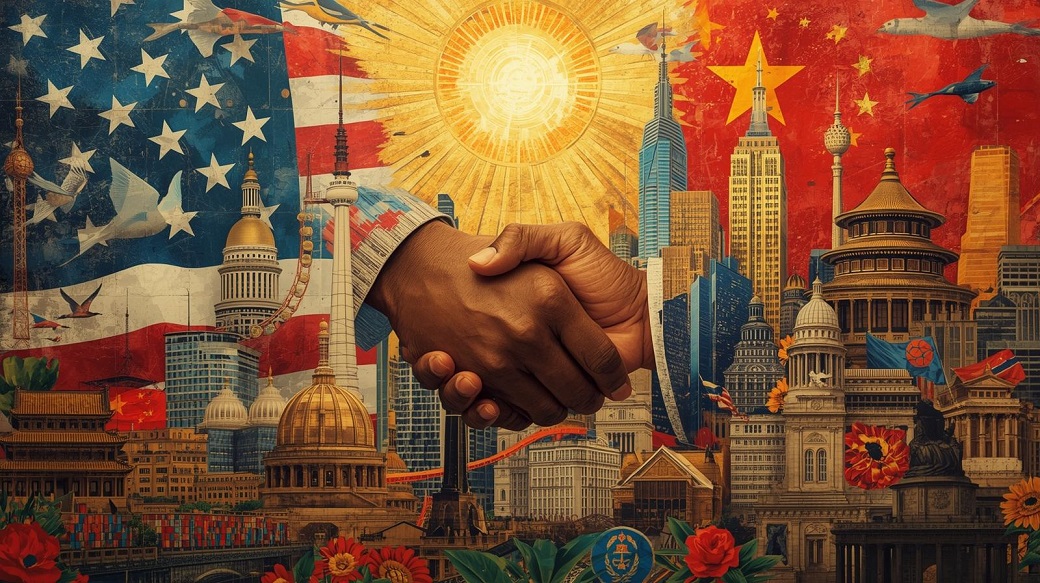
By forging these ties with intelligence and integrity, we can finally claim a stronger hand in writing our own economic future. We are not just building a bridge for commerce; we are building a pathway to power.
Building Our Bridge to China: A New Economic Vision for Black America
About the Author: William D. Frazier is a culture exchange strategist and advocate focused on global trade access and entrepreneurial development for the Black community. Hewrites and speaks on the intersections of culture exchange, trade, and community
empowerment.