Beyond Paranoia: A Blueprint for Black America in the Chinese Century
By William D. Frazier
“The paradox of education is that as one begins to become conscious, one begins to
examine the society in which one is being educated.”
– James Baldwin
Baldwin’s words have never felt more urgent to me. The more I learn about the global economic system we operate within, the more I question our prescribed place within it. We, the Black Diaspora, are looking at this thing deeply. We’re asking the fundamental
questions: How do we grow our economic base? How do we build a global developer base? How do we secure our own manufacturing chains and bring our products and services to the world? The answer, I am convinced, lies not just within our borders but in
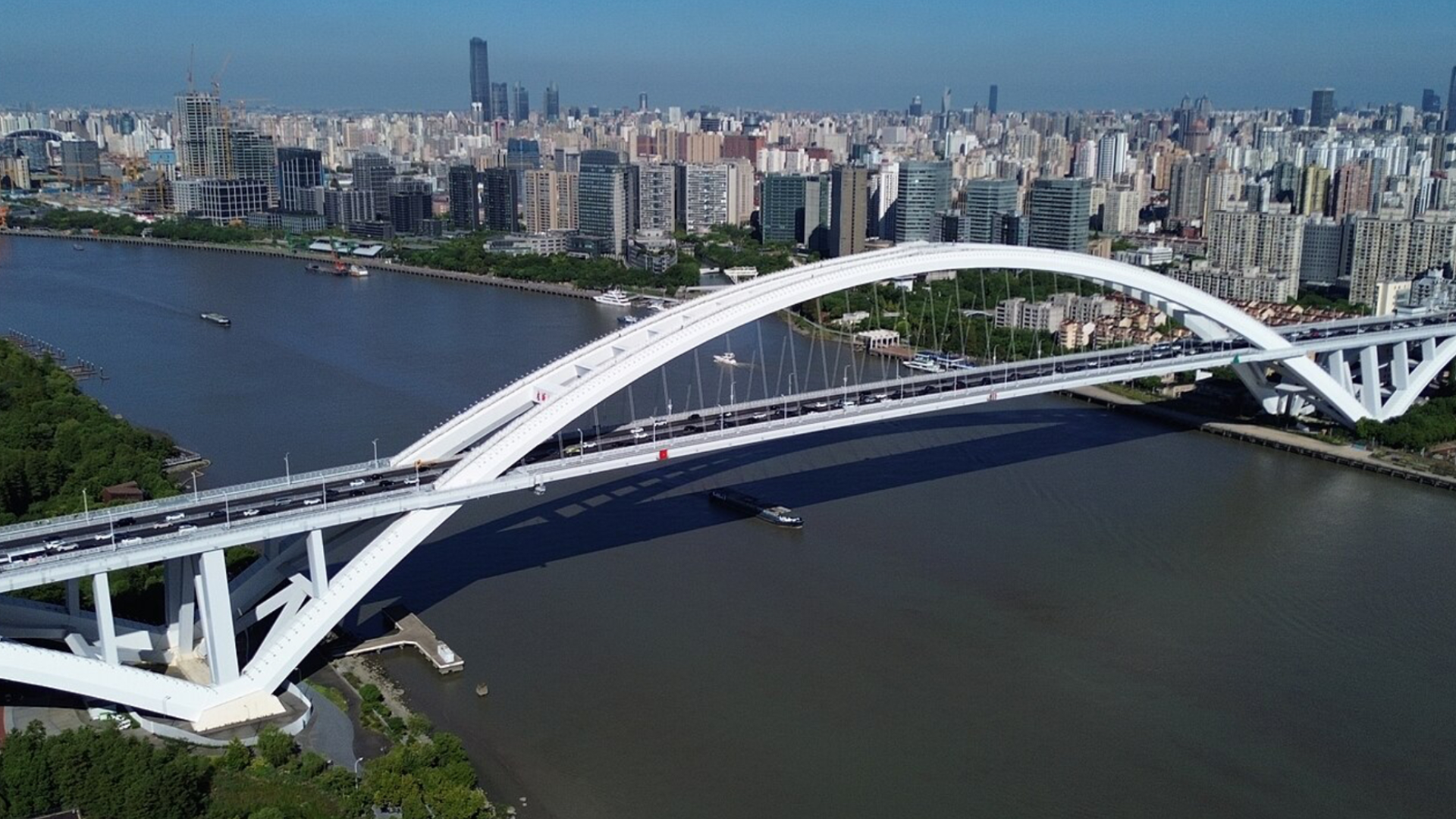
building a direct, sustainable bridge to China.
The Stark Disconnect: Our Missing Piece in the Global Puzzle
Let’s state the uncomfortable truth: Black America’s small- and medium-sized enterprises (SMEs) lack a sustainable, direct economic relationship with China that genuinely benefits our community. We are spectators in a game where we should be players. While Chinese
consumers represent the world’s largest emerging market, our iconic services and brands are virtually absent there. Our issues and needs are ghost stories in their policy discussions—whispered about, perhaps, but never substantively addressed.
This isn’t happening in a vacuum. Back home, a significant revenue gap persists between Black-owned firms and those owned by other minority groups. The reasons are complex, but a critical one is our struggle to scale. Too many of our brilliant ventures remain trapped
in the “small business” category, unable to break into the vital “middle market”—the engine of the U.S. economy. We are running powerful engines on fumes while others have full tanks.
A Flood of Investment, A Drought of Benefit
Consider this stark contrast. In 2016 alone, China invested nearly $48 billion in the United States, primarily through mergers and acquisitions. This capital has spread to 98% of congressional districts, weaving a powerful web of Chinese influence. Yet, when we look
at the districts represented by the Congressional Black Caucus—49 districts that saw an estimated $11 billion of this investment—we must ask: did that capital truly reach our most fragile communities? Or did it, like so much investment before it, wind up fueling projects
in already affluent areas like San Francisco and Houston?
Beyond Paranoia: A Blueprint for Black America in the Chinese Century
This is the core of our dilemma. Even as we celebrate the growth of over 2.5 million Black owned businesses in the U.S., generating more than $150 billion in revenue, we are missing the leverage that international scale provides.
The China Dream Meets Our American Reality
Meanwhile, China is undergoing a historic transformation. Its “China Dream” and the “Made in China 2025” initiative are blueprints for moving the nation from a manufacturing powerhouse to a global leader in innovation, quality, and services. The plan is staggering
in its ambition: to raise the value-added content of its exports from under 20% to 70% by 2025, with private firms leading the charge in sectors like intellectual property and standard-setting.
This shift opens a door we have never been able to walk through before. China’s focus on domestic consumption creates massive opportunities in service sectors where we already excel. For instance, the senior care market in China is projected to reach $1.5 trillion. This
isn’t a niche; it’s a new frontier.
Our Strategic Inroad: From Health Tech to Home Care
This is where our consciousness must meet our strategy. We cannot afford the paranoia that leads us to disengage. If our businesses are not at the table, we risk losing a generational opportunity. The question is not whether to engage, but how.
We must position our most advanced CEOs, entrepreneurs, and engineers to lead in the sectors China is actively prioritizing: Healthcare & Gerontology: Leveraging our experience in chronic disease care, rehabilitation, and telemedicine.
Health & Wellness IT: Exporting our expertise in mobile health platforms, virtual reality for therapy, big data analysis, and wearable technology.
Architectural Design & Safety Tech: Designing age-friendly spaces and integrating emergency call and fall-protection systems.
As analyst Ernan Cui notes, “The service sector is playing a much better role in stabilizing the overall labor market.” By focusing on a high-priority sector such as senior care, we can spur cross-border capital flows and foster lasting integration with China’s private health
care and tech sectors.
A Call for Conscious Collaboration
The data shows we are ready. A significant percentage of Black-owned firms are already concentrated in the healthcare and social assistance sector. We have hubs of entrepreneurial strength in cities like Atlanta, Detroit, and Memphis. What we need now is a coordinated, strategic push.
Beyond Paranoia: A Blueprint for Black America in the Chinese Century
We must advocate for policy changes, such as reforms to the EB-5 visa program, to ensure investment is directed productively. More importantly, we need to forge our own relationships. The Sino-Black Trade Enhancement Program (SBTEP) is a start, but it
cannot end there. Our business owners, our HBCUs, our entire Diaspora in China must build the long-term partnerships that unlock this enormous potential.
This is a subtle but critical moment of strategic change. Building this bridge to China isn’t about turning away from America; it’s about finally claiming our full seat at the global table. It is the ultimate act of becoming conscious—and the necessary next step in our education.
About the Author: William D. Frazier is a culture exchange strategist and advocate focused on global trade access and entrepreneurial development for the Black community. He writes and speaks on the intersections of culture exchange, trade, and community
empowerment.