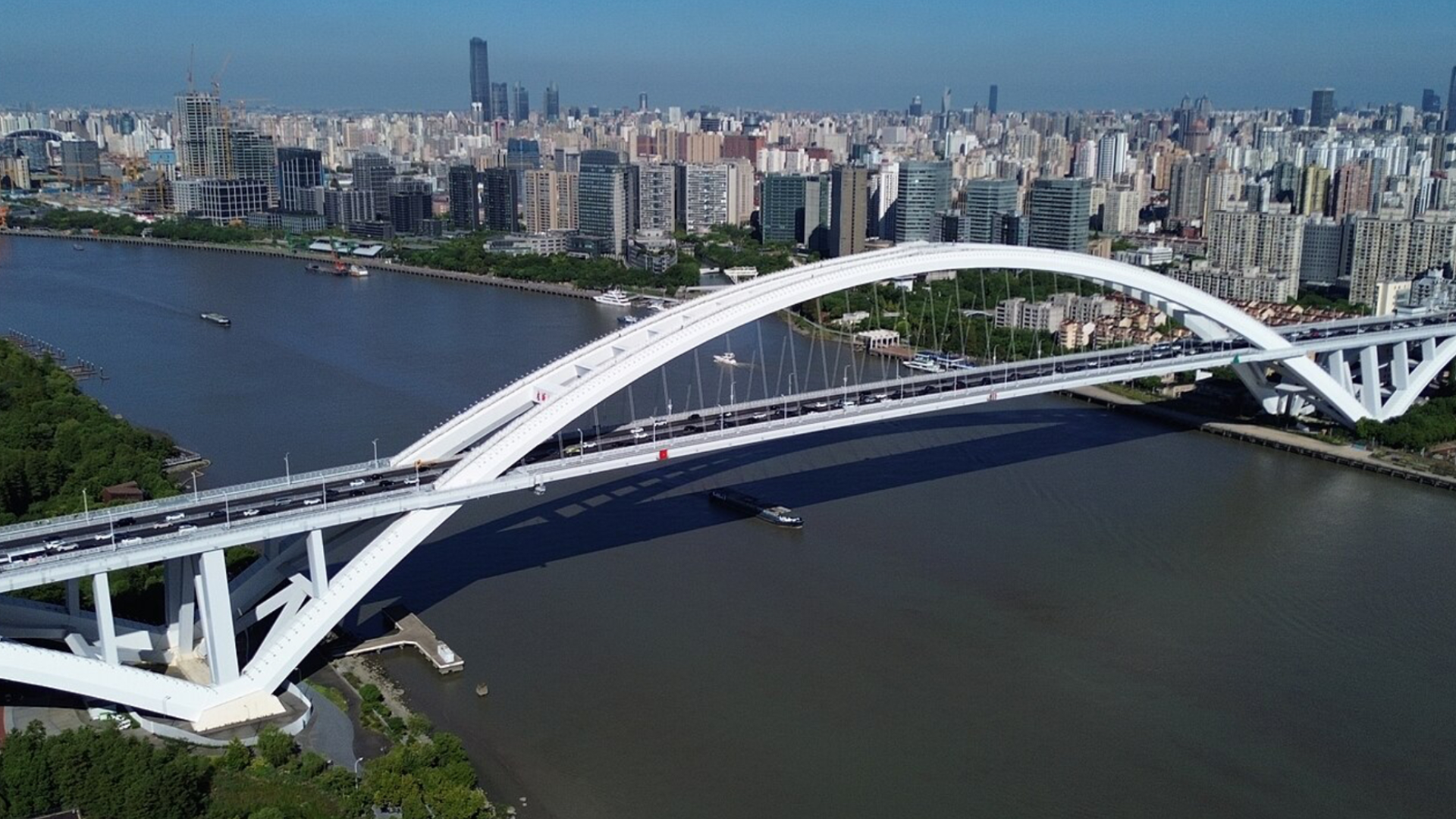
The Unfinished Bridge: A Call for the CBC to Forge Our Economic Future with China
By William D. Frazier
I have a simple, pressing question that keeps me up at night: In an era of unprecedented global economic
exchange, why is Black America consistently left on the docking bay, watching the ships of international
trade and investment sail without us?
The Congressional Black Caucus (CBC), a body formed in 1971 to champion our interests, now stands at a critical crossroads. For over five decades, it has fought battles on the domestic front, but the battlefield has expanded. The most significant economic opportunities—and threats—now operate on a global scale, and our strategy must evolve accordingly. The question is no longer whether the CBC will engage with
international powers, but how decisively it will act to ensure we are not merely spectators but owners and architects of the new world economy.
The $253 Billion Wake-Up Call
Let’s begin with a stark moment of exclusion that should have served as a deafening alarm bell. In 2017, the White House signed a monumental $253 billion trade deal with China. This wasn’t just a policy agreement; it was a massive transfer of economic opportunity. Yet, when the ink dried, not a single Black American small-to-medium enterprise (BASME) was meaningfully included.
How does such an oversight happen? The convenient excuse is that a global entrepreneurial sector for Black America didn’t exist before that visit. But that logic is circular and defeatist. It is the very purpose of representative leadership to build what does not exist. The absence of a “clearinghouse” in China for our businesses is not an act of God; it is a failure of strategy. It represents a profound gap in our political
advocacy that the CBC, with its 49 members in the 115th Congress, must be held accountable foraddressing. This wasn’t an oversight; it was a systemic failure.
The Great Paradox: Investment Floods In, But Our Communities Remain in Drought
Some might argue that Chinese investors see little value in direct business with Black America. The data, however, tells a more complex and frustrating story.
In 2016 alone, China invested $48 billion in the United States. This capital wasn’t timid; it spread to 98% of congressional districts, weaving a powerful web of influence through mergers and acquisitions. Crucially, within the 49 districts represented by the CBC, an estimated $11 billion in Chinese foreign direct investment (FDI) flowed in. Yet, if you look for the transformative impact of that capital in our most
fragile communities, you will be sorely disappointed.
Instead of revitalizing Black neighborhoods, that investment overwhelmingly went to projects in already affluent areas like San Francisco, Houston, and Chicago. This presents a painful paradox: while Chinese capital is undeniably present in CBC districts, it is bypassing the very communities the Caucus was created to uplift. This begs the agonizing question: what is the metric for the CBC’s engagement with these
The Unfinished Bridge: A Call for the CBC to Forge Our Economic Future with China investors? How are they leveraging this financial presence to create tangible, equitable benefits for their constituents?
A Historical Mandate for Economic Liberation
This is not a new struggle. The imperative for economic self-determination has always been the bedrock of our liberation. As scholars James H. Johnson Jr., Grover C. Burthey III, and Kevin Ghorm argued in2008, our historical success has hinged on the “uncanny ability to turn adversity into opportunity.” That ability must now be directed globally and supported by our government leaders.
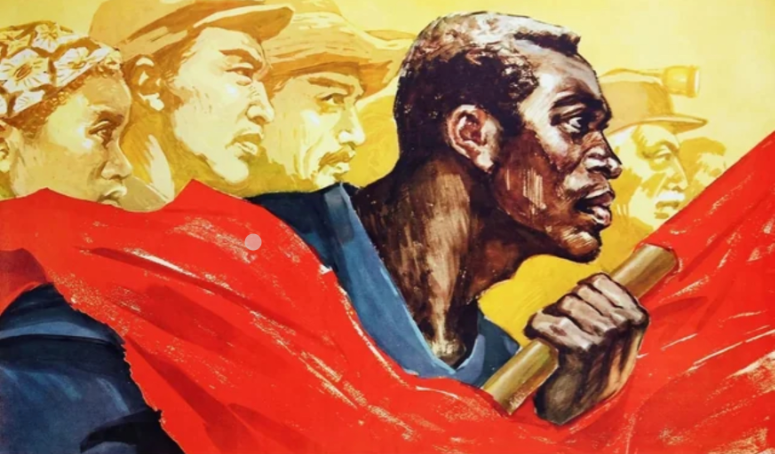
Even Chairman Mao Tse-tung, in a 1968 statement, recognized the symbolic power of the Black American struggle, expressing “resolute support” for our fight against monopoly capitalism. While his political motives were his own, his acknowledgment highlights a stark truth: the world has long viewed our struggle through global lenses. It is a tragedy that our economic strategy has not consistently aligned with this
international perspective.
The late Dr. Benjamin F. Chavis, Jr. understood this. He explicitly encouraged Black Chambers of Commerce from Los Angeles to Florida to “accelerate their outreach to China.” The pieces have been identified for years. What has been missing is the centralized, powerful political will to assemble them into a coherent structure.
A Concrete Blueprint: From “China Boot Camp” to a Permanent Trade Office
It is not enough to point out failures; we must propose a viable path forward. The time for vague aspirations is over. The CBC must move beyond rhetoric and implement a concrete, actionable blueprint for engagement. This is not about reinventing the wheel; it’s about building the infrastructure we desperately lack.
1. Establish a Permanent BASME Trade Office in China:
The most critical step is to create a physical presence. Relying on traditional American Chambers of Commerce, which have historically overlooked our specific interests, is a recipe for continued neglect. The CBC must champion and fund the establishment of an official trade office in China, dedicated solely to representing the interests of BASMEs. This office would act as a clearinghouse, an advocacy center, and
a matchmaking service, connecting our businesses with Chinese SMEs.
2. Launch the “China Boot Camp” Campaign:
We need to operationalize the concept of a “China Boot Camp.” This would be an intensive, ongoing program designed to equip our entrepreneurs with the cultural, logistical, and strategic knowledge to succeed in the Chinese market. It would cover everything from navigating guanxi (relationship building) and intellectual property law to understanding consumer trends and supply chain logistics. This campaign would actively identify and connect BASMEs with Chinese entrepreneurs, students, and tourists, building a loyal customer base and fostering long-term relationships.
3. Leverage Policy for Targeted Investment:
The CBC must use its legislative power to reform programs like the EB-5 visa system, ensuring that investment is directed toward underserved communities, not just affluent urban centers. They must create policy frameworks that incentivize Sino-Black joint ventures and provide BASMEs with the initial capital injections, marketing support, and political backing needed to overcome the initial barriers to entry.
The Stakes: Salvation Through Commercial Success
In 1913, historian Minton concluded that the salvation of the Negro race “depends more upon commercial success than upon any other one factor.” Over a century later, in a hostile political environment defined by racial disparities, his words carry even greater weight.
The CBC stands as the most powerful political entity we have. But power is not merely several seats in Congress; it is the capacity to effect material change. The disenchantment within the Black community, as voices like Bryan Epps have noted, stems from a history of “letdowns” and leaders who have done “more harm than good.”
The CBC must break this cycle. It must demonstrate a radical commitment to Black economic liberation that is as strategic and bold as the challenges we face. Building a bridge to China is not an exotic side project; it is a core component of a modern economic empowerment strategy.
We are exhausted by stagnation. The world will not wait for us to get organized. The choice for the CBC is clear: will it be the catalyst that finally unlocks the global potential of Black America, or will it be remembered as an institution that watched from the shore as our future sailed away? The blueprint is here. The mandate is clear. We need leaders who will build the bridge, or we will find ourselves forced to make
it without them.
About the Author: William D. Frazier is a culture exchange strategist and advocate focused on global trade access and entrepreneurial development for the Black community. He writes and speaks on the intersections of culture exchange, trade, and community empowerment.